
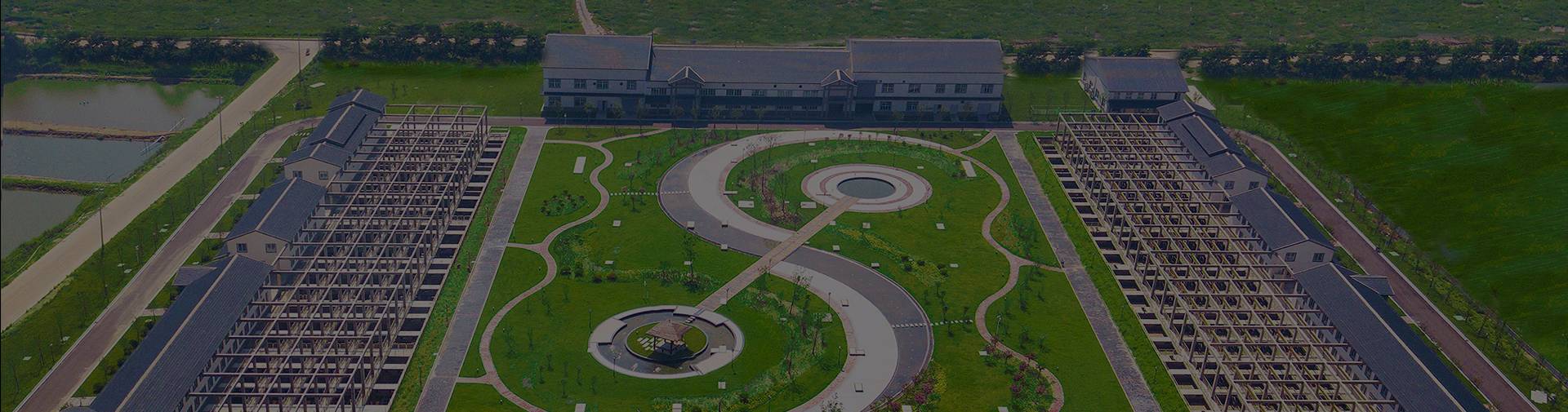
FMBR, short for Facultative Membrane Bioreactor, is an innovative wastewater treatment technology that creates a facultative environment to cultivate specialized microorganisms, forming a food chain that creatively achieves low organic sludge discharge and simultaneous pollutant degradation. The membrane's efficient separation capability far surpasses that of traditional sedimentation tanks, resulting in extremely clear treated effluent with minimal suspended matter and turbidity.
The primary mechanism behind organic sludge reduction in FMBR is cell endogenous respiration. The system's high biomass concentration, extended sludge retention time (SRT), and low dissolved oxygen (DO) conditions allow diverse nitrifiers, novel ammonia-oxidizing organisms (including AOA and Anammox), and denitrifiers to coexist in the same facultative environment. These microbes compete within the system to form a microbial food web, effectively removing carbon (C), nitrogen (N), and phosphorus (P) simultaneously.

Characteristics Of FMBR
● Simultaneous removal of organic carbon, nitrogen and phosphorus
● Less organic residual sludge discharging
● Excellent discharge quality
● Minimum chemical addition for N & P removal
● Short construction period
● Small footprint
● Low cost/low energy consumption
● Reduce carbon emissions
● Automated and unattended
FMBR WWTP Construction Types
Package FMBR Equipment WWTP
The equipment is highly integrated, requiring minimal civil work—only the construction of pretreatment facilities, equipment foundation, and effluent tank. With a small footprint and a short construction period, it is ideal for applications in scenic spots, schools, commercial areas, hotels, highways, watershed pollution protection, decentralized treatment, residential treatment plants, emergency projects, and wastewater treatment plant (WWTP) upgrades.

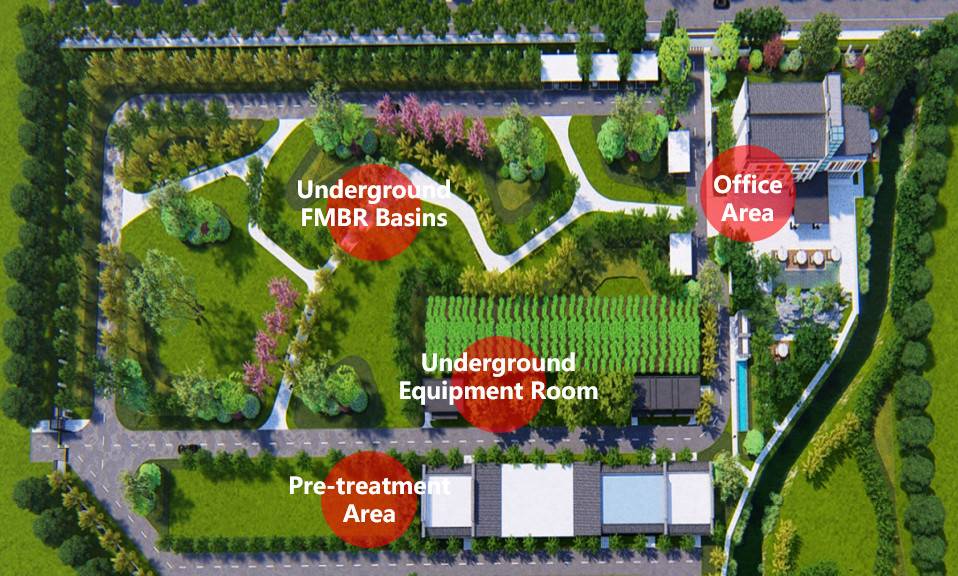
Concrete FMBR WWTP
The plant features an aesthetically pleasing design with a small footprint, making it ideal for integration into an ecological wastewater treatment plant (WWTP) that enhances, rather than detracts from, the city's appearance. This type of FMBR WWTP is particularly well-suited for large municipal WWTP projects.